
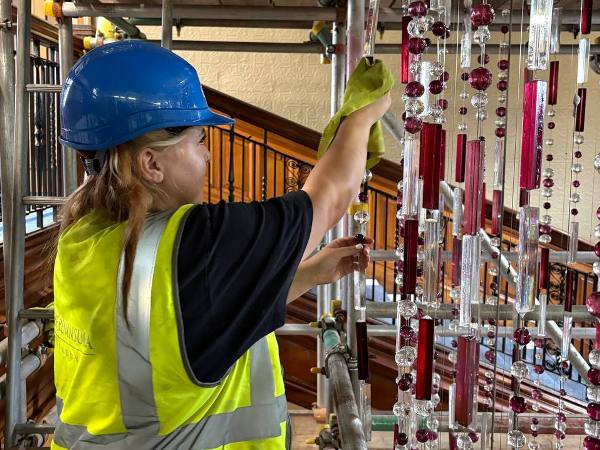
Introduction
Moving house involves more than packing furniture and organising transport. For homeowners with valuable chandeliers, one of the most important decisions is how to safely remove, protect, and reinstall these delicate lighting features.
A chandelier is often a significant investment and may include fragile crystal components, antique finishes, custom designs, or complex electrical connections. Attempting to remove it without the correct knowledge can lead to damaged parts, electrical risks, or expensive restoration work.
Chandelier removal before moving house should be planned as a specialist task, especially for luxury or large fixtures. Professional removal helps ensure the chandelier is carefully dismantled, safely transported, and ready for installation in your new property.
This guide explains what homeowners in London need to know before removing a chandelier during a house move, including preparation steps, common mistakes, and when to hire a specialist.
Key Takeaways
| Core Insight | Practical Impact |
|---|---|
| Chandeliers require specialist handling during removal | Reduces the risk of damage to crystals, wiring, and structural components |
| Preparation before moving prevents costly problems | Proper documentation and packing make reinstallation easier |
| Professional removal is recommended for valuable fixtures | Protects your investment and ensures safe handling |
Why Is Chandelier Removal Before Moving House Different From Removing Normal Lighting?
A chandelier is not simply a ceiling light. Many luxury chandeliers are carefully assembled decorative structures that require attention to both appearance and function.
Unlike standard light fittings, chandeliers may include:
- Hundreds of individual crystal pieces
- Delicate decorative arms
- Heavy metal frames
- Custom mounting systems
- Complex electrical connections
- Special finishing materials
A common mistake is assuming that removing a chandelier only involves disconnecting wires and lowering the fixture. In reality, safe removal requires planning, correct tools, and knowledge of the chandelier’s construction.

Should You Remove a Chandelier Yourself Before Moving?
For small, lightweight decorative fixtures, some homeowners may consider DIY removal. However, professional chandelier removal is usually recommended for valuable, large, or complex installations.
DIY Removal Risks
Attempting removal without specialist experience can result in:
- Broken crystal pieces
- Scratched finishes
- Incorrect wiring reconnection
- Ceiling damage
- Personal injury from working at height
- Missing components during relocation
The risk increases when chandeliers are installed in:
- Double-height entrances
- Staircases
- Period properties
- Large reception rooms
- Luxury apartments
How Do Professionals Remove a Chandelier Safely?
Professional chandelier removal usually follows a structured process.
1. Initial Inspection
Before removal begins, specialists assess:
- Chandelier size and weight
- Ceiling attachment method
- Electrical connections
- Access requirements
- Condition of crystals and decorative parts
This inspection helps determine the safest removal approach.
2. Documenting the Chandelier
Before dismantling, professionals may document:
- Overall appearance
- Crystal arrangement
- Component positions
- Wiring configuration
- Manufacturer details, if available
This information is valuable when reinstalling the chandelier in the new property.
3. Preparing the Area
The surrounding space is protected before work begins.
Preparation may include:
- Covering floors and furniture
- Creating a safe working area
- Using appropriate access equipment
- Ensuring electrical isolation
4. Careful Dismantling
Depending on the chandelier design, removal may involve:
- Removing crystals individually
- Labelling components
- Supporting the main frame
- Disconnecting electrical parts
- Lowering the fixture safely
Each chandelier requires a different approach based on its construction.
5. Secure Packaging and Transport Preparation
After removal, components should be protected carefully.
Important steps include:
- Wrapping fragile crystal pieces separately
- Protecting metal finishes
- Labelling boxes clearly
- Keeping installation records together
Poor packaging is one of the most common causes of damage during relocation.

When Should You Arrange Chandelier Removal During a House Move?
Timing is important.
Recommended Schedule
Ideally, chandelier removal should be arranged before moving day, not during the final hours of packing.
A practical timeline:
| Moving Stage | Recommended Action |
|---|---|
| Several weeks before moving | Contact a chandelier specialist |
| Before removal date | Confirm access and requirements |
| Removal day | Specialist dismantles and safely prepares the chandelier |
| After moving | Arrange professional installation at the new property |
Leaving chandelier removal until the last minute can create unnecessary pressure and increase the chance of mistakes.
What Should Homeowners Check Before Removing a Chandelier?
Use this preparation checklist.
Chandelier Information
- Take photographs of the chandelier.
- Record manufacturer details if available.
- Note any existing damage.
- Keep purchase documents or previous maintenance records.
Property Information
- Confirm ceiling height at the new property.
- Check whether the new location supports chandelier installation.
- Consider access requirements for installation.
Moving Preparation
- Arrange specialist removal in advance.
- Confirm insurance requirements.
- Prepare safe storage or transport arrangements.
Can a Chandelier Be Moved and Reinstalled in Another House?
Yes, many chandeliers can be successfully relocated if they are removed and handled correctly.
However, homeowners should consider the following factors.
Size Compatibility
A chandelier that suited one room may not suit another. Check:
- Ceiling height
- Room proportions
- Electrical points
- Mounting strength
Condition Assessment
A move is a good opportunity to inspect:
- Crystal damage
- Loose components
- Wiring condition
- Metal finishes
Some homeowners choose to restore or clean their chandelier before installation in the new property.
Common Mistakes When Moving a Chandelier
Removing Without Professional Assessment
Large chandeliers may weigh significantly more than they appear. Incorrect handling can damage both the fixture and the property.
Forgetting Small Components
Crystal drops, decorative screws, and mounting parts can easily become separated during a move.
Poor Storage Conditions
Chandeliers should not be stored in areas with:
- Excessive moisture
- Extreme temperatures
- Unprotected surfaces
Assuming Installation Is Simple
Reinstalling a chandelier often requires the same level of expertise as removal. Correct positioning, secure mounting, and electrical connection are essential.

Professional Chandelier Removal Checklist for Homeowners
Before hiring a specialist, consider these evaluation points:
| Check | Why It Matters |
|---|---|
| Experience with luxury chandeliers | Reduces handling risks |
| Safe access equipment | Important for high ceilings |
| Removal and installation service | Simplifies the moving process |
| Restoration capability | Useful if damage is discovered |
| Clear process explanation | Helps avoid unexpected issues |
For London homeowners with valuable chandeliers, Royale Chandeliers specialises in professional chandelier removal, installation, restoration, cleaning, and maintenance services. Their team helps protect luxury lighting fixtures during property moves and relocations. Visit Royale Chandeliers.

Screenshot
Frequently Asked Questions
Can I remove my chandelier myself before moving house?
Small and simple light fixtures may be manageable for experienced homeowners, but valuable chandeliers usually require specialist removal. Luxury chandeliers contain delicate parts and may involve complex mounting systems. Professional removal reduces the risk of damage, electrical problems, and injury.
How much does chandelier removal cost in London?
The cost depends on factors such as chandelier size, height, complexity, access requirements, and whether packing or reinstallation is included. Large crystal chandeliers typically require more time and specialist equipment than standard decorative fixtures.
Should I clean my chandelier before moving it?
Cleaning before relocation can be beneficial because it allows the chandelier to arrive at the new property in excellent condition. However, cleaning should be performed carefully, especially for crystal, antique, or delicate fixtures.
Can a crystal chandelier be transported safely?
Yes, crystal chandeliers can be transported safely when properly dismantled, labelled, protected, and packaged. Individual components should be secured to prevent movement and impact damage during transportation.
How early should I book chandelier removal before moving day?
Homeowners should arrange chandelier removal several weeks before the move whenever possible. Early planning allows time for inspection, scheduling, safe dismantling, and coordination with movers.

Conclusion
A chandelier is often one of the most valuable and visually important features in a home, so it deserves careful handling during relocation.
Chandelier removal before moving house should be planned as a specialist service rather than treated as a simple DIY task. Proper inspection, dismantling, packaging, and reinstallation help protect the fixture and ensure it continues to enhance your new home.
For homeowners in London who need expert chandelier removal, relocation, installation, or restoration support, Royale Chandeliers provides specialist services for luxury lighting fixtures.
Author Information & Trust Section
This guide was prepared using trusted industry sources and reviewed for accuracy, clarity, and usefulness.
“`