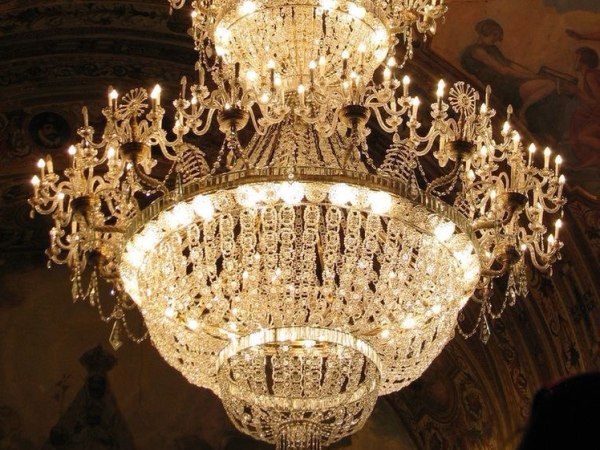
London’s architectural heritage is magnificent, from the grand drawing-rooms of Georgian townhouses to the elegant proportions of Victorian and Edwardian terraces. A chandelier is often the crowning jewel in these spaces, yet installing one in a period property is far more complex than in a modern new-build.
These historic homes were not designed to support the weight of the heavy, intricate fixtures we love today. They demand specialist knowledge to ensure a safe, secure, and beautiful installation that preserves the building’s unique character.
Before you hang that antique crystal or modern centrepiece, here is the specialist’s guide to doing it right.
The Unique Character (and Challenge) of Period Ceilings
The primary challenge in a period property lies hidden above the plaster. Unlike modern plasterboard, which is fixed to standardised joists, historic ceilings are a delicate and often unpredictable system.
The Lath and Plaster Dilemma
Most ceilings in homes built before the 1940s are made of lath and plaster. This consists of thin wooden strips (laths) nailed to the joists, with a lime-based plaster pressed through the gaps to create a “key” that holds it in place.
- It is not structural: Lath and plaster is a fragile surface. It cannot support any significant weight on its own.
- It becomes brittle: After 100+ years, the plaster keys can be weak, and vibrations from drilling can easily cause large sections to crack or fall.
- Finding joists is difficult: Locating the hidden joists—the only secure fixing point—is a specialist skill. Standard stud finders are often unreliable on this type of construction.
Protecting Decorative Plasterwork
Intricate cornices and ornate ceiling roses are the irreplaceable heart of a period room. A clumsy installation can cause vibration cracks or, in the worst case, shatter this original craftsmanship. A specialist approach is non-negotiable to protect these features.
“Can My Ceiling Really Take the Weight?” The Vital Structural Assessment
This is the most critical question, and the answer is always “no”—not without professional intervention.
A specialist’s first job is not to install, but to perform a detailed structural assessment. This goes far beyond a simple “knock test” or electronic stud finder.
We must physically inspect the ceiling structure, often from the floor above, to:
- Locate the Joists: Identify the precise position and direction of the ceiling joists.
- Assess Joist Condition: Check the health and size of the timber. Is it sound? Can it bear the proposed load?
- Plan the Support: Determine the exact fixing point. This must be into a sound joist (or multiple joists).
Custom Mounting and Support Solutions
For very heavy chandeliers (often 25kg, 50kg, or more), simply screwing into a single joist is not enough. The load must be spread.
This is where custom mounting and support solutions are required. This may involve installing a specialist bracing system, fitting a “pattress” or support between two joists, or using heavy-duty, purpose-built brackets to distribute the weight safely.
This structural work is the single most important part of the installation, ensuring your chandelier is supported by the building’s “bones,” not its delicate “skin.”
Navigating Listed Building and Conservation Area Rules
Many of London’s finest period properties are Listed or fall within a Conservation Area. This adds a significant layer of legal responsibility.
- Listed Building Consent: You may need formal consent to make any alterations, including drilling into the original fabric of the building.
- “Like-for-Like” Principle: All work must be carried out with materials and techniques that respect the building’s heritage.
- Reversibility: The ideal intervention is one that can be reversed in the future without leaving permanent damage.
A specialist firm familiar with London’s heritage properties will understand these sensitivities. They can advise on the least invasive installation methods and work in a way that satisfies conservation officers, protecting both your fixture and your legal standing.
Why a General Electrician Isn’t Enough
Hiring a qualified electrician is essential for the wiring, but a period property installation requires a specialist chandelier technician. Here’s why:
- Structural Expertise: Most general electricians are not trained to assess and modify ceiling structures for heavy loads.
- Specialist Rigging: A high ceiling in a Kensington townhouse requires more than a stepladder. We use specialist lifting systems, hoists, and scaffolding to manage the fixture safely and precisely.
- Delicate Handling: Your team must be trained to handle fragile crystal, antique arms, and intricate metalwork. One slip can cause thousands of pounds in damage.
- Property Protection: A specialist service is a “white glove” service. We take meticulous precautions to protect your floors, furniture, and wallpaper from dust and damage.
- Comprehensive Insurance: Check your installer’s insurance. A general electrician’s public liability may not cover the high value of your antique fixture or damage to irreplaceable plasterwork. A specialist firm carries insurance specifically for these high-value items.
A Seamless Installation That Respects Your Home
Installing a chandelier in your period home is a delicate operation that blends engineering precision with a respect for fine craftsmanship.
When done correctly, the result is seamless: a stunning fixture that looks as though it has always belonged, safely and securely mounted to stand the test of time.
Ready to install your chandelier?
Don’t leave the safety of your home and the beauty of your fixture to chance. Contact Royale Chandelier Services today for a specialist consultation. We are London’s trusted experts in period property installations, fully insured and equipped to handle any project with the precision it deserves.